Choosing the right shingle colors for your Oro Valley roof is crucial, especially in our desert climate. The sun's intense heat can cause traditional shingles to deteriorate faster, leading to costly repairs or premature replacement. Navigating the local building codes and Homeowners Association (HOA) design guidelines can be a challenge, particularly for color choices.
This article provides expert advice on selecting desert-rated shingles that not only withstand the heat but also comply with HOA rules, while considering the long-term cost-what shingle roofs cost-and the overall health of your home's roofing system. We'll explore proven solutions, industry best practices, and practical tips to ensure your roof is both stylish and durable.
- Understanding Desert Heat Impact on Shingles
- Researching HOA Rules for Shingle Colors
- Choosing Heat-Resistant Shingle Colors
- What Shingle Roofs Cost: Budgeting and Beyond
Understanding Desert Heat Impact on Shingles
Understanding the impact of desert heat on shingles is crucial when choosing the right roofing material for your Oro Valley home. The extreme temperatures, intense sunlight, and dry conditions unique to our region can significantly affect the performance and longevity of asphalt shingles.
One of the primary challenges posed by desert heat is the rapid degradation of shingle granules, which can lead to curling, cupping, and even early signs of wear and tear. Architectural shingles, known for their enhanced appearance and durability, may require additional protection to withstand the harsh conditions. To combat this, many roofing specialists recommend using ice and water shield underlayment, which provides an extra barrier against moisture and extreme temperatures. Synthetic underlayment can significantly improve the ventilation of your roof, helping to mitigate the effects of heat buildup.
When considering the cost of shingle roofs (which can range widely based on material type, complexity of the job, and local labor rates), it's essential to balance aesthetics with practicality. Lighter-colored shingles reflect sunlight and can help keep your home cooler, reducing energy costs. However, they may also be more susceptible to stains from local environmental factors, such as dust and algae. Dark shingles, on the other hand, absorb heat, potentially leading to increased energy usage, but they often require less maintenance and can be more cost-effective in the long run. A local roofing company serving Oro Valley has noted that many homeowners in the area are opting for cooler shades, especially as they become more aware of the energy-saving benefits.
HOA rules can significantly influence your shingle choices. Many associations have specific guidelines regarding color, style, and material to maintain a consistent aesthetic throughout the neighborhood. The Southern Arizona Homeowners Association (SAHOA) may have requirements for shingle colors that align with the area's desert landscape. It's crucial to check these guidelines and, if necessary, discuss your options with your HOA and a trusted roofing contractor to ensure your choice complies with local regulations.
Researching HOA Rules for Shingle Colors
Choosing the right shingle color for your Oro Valley home isn't just about aesthetics; it's a strategic decision that can impact your energy costs, roof longevity, and compliance with local regulations, especially in the face of extreme desert heat. In Oro Valley, homeowners often face a unique challenge: selecting a shingle color that reflects the intense sun while adhering to stringent Homeowners Association (HOA) guidelines. The popular Rancho Vistoso community has specific design guidelines that dictate acceptable shingle colors.
Understanding HOA rules is crucial before making a purchase. Many HOAs require homeowners to choose shingles that align with their community's aesthetic and architectural style. These guidelines often prioritize certain colors and styles, ensuring a cohesive look throughout the neighborhood. An experienced Oro Valley roof specialist advises clients to review their HOA documents carefully, noting specific references to shingle color, texture, and even brand. Some HOAs might even require a color swatch for approval.
When navigating these rules, keep in mind that certain shingle types offer better protection against the desert heat. High-quality, fiber-reinforced shingles, such as those with a Class 4 impact rating and a fiberglass mat, are designed to withstand extreme temperatures and resist damage from hail and other weather events common to Oro Valley. While these shingles might carry a slightly higher price tag-what shingle roofs cost in Oro Valley varies based on material and style-their durability and longevity can result in cost savings over time.
Remember, compliance with HOA rules and selecting a durable, high-performance shingle are both essential for protecting your investment. Researching these factors beforehand will ensure a successful roof replacement project that meets both community standards and your individual needs.
Choosing Heat-Resistant Shingle Colors
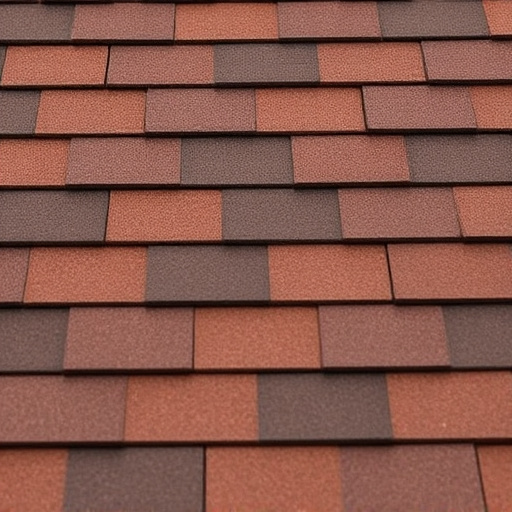
Choosing heat-resistant shingle colors is a crucial decision for homeowners in Oro Valley, where intense desert heat can significantly impact roofing materials. The right shade can not only extend the lifespan of your roof but also save on energy costs. When considering options, remember that darker colors absorb more heat, leading to increased temperatures under the shingles, a process known as thermal cycling. This cyclical expansion and contraction can cause granule loss, curling, or even cracking, especially in extreme conditions.
Shingles designed to withstand desert heat often feature a higher solar reflectance, which helps reflect sunlight and reduces heat absorption. Manufacturers like GAF and Atlas offer lines of "cool roof" shingles specifically engineered for hot climates. The GAF Energy Star Shingles are a popular choice due to their high solar reflectance and durability. When choosing a color, consider lighter shades like "Snowfall White" or "Sea Salt" which reflect sunlight effectively without compromising aesthetics.
While the initial cost of heat-resistant shingles might be slightly higher, their longevity and energy savings make them a smart investment. An experienced Oro Valley roof specialist can provide valuable insights into the best options for your home, taking into account your climate, local building codes, and HOA rules. Remember that proper installation and underlayment choices are essential to ensure your roof performs optimally in the desert heat. By understanding the impact of color and material, you can make an informed decision that benefits both your home and the environment.
What Shingle Roofs Cost: Budgeting and Beyond
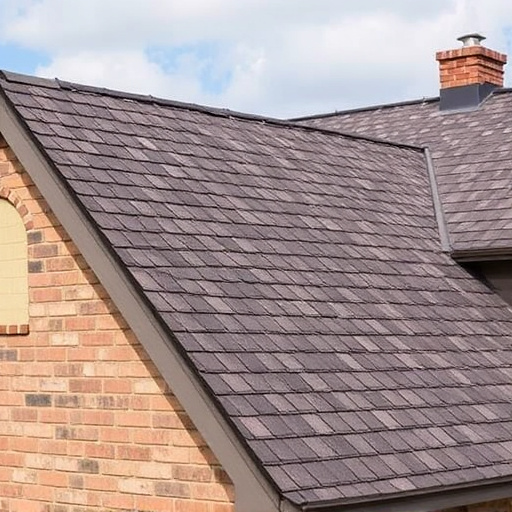
Choosing a shingle color for your Oro Valley roof involves more than aesthetics. In this desert climate, understanding the impact of thermal cycling and selecting a durable option that aligns with HOA rules is crucial. The cost of shingle roofs can vary widely based on factors like material, color, and the complexity of the job. Architectural shingles tend to be more expensive than three-tab shingles, but they offer superior performance and longer lifespans, which can offset the initial cost over time.
When considering what shingle roofs cost, it's essential to factor in the total price, not just the materials. Installation labor, underlayment, vents, and other accessories contribute to the overall expense. For a typical residential roof in the Catalina Foothills, a complete shingle roof replacement can range from $5,000 to $10,000 or more, depending on the square footage and the chosen materials. A roofing contractor serving Oro Valley and Marana can provide detailed estimates based on your specific needs.
HOA rules can further influence your choices. Many communities have guidelines on shingle color and style, often driven by the desire to maintain a consistent aesthetic throughout the neighborhood. Some HOAs might prefer darker shingles to absorb heat more efficiently, while others may enforce light-colored options for energy efficiency. Understanding these rules is vital to avoid disputes and ensure your roof complies with local regulations.
Beyond the immediate cost, consider the long-term savings and reduced maintenance. Cool roof shingles, designed to reflect sunlight, can lower energy bills and prolong the life of your roof. Impact-resistant shingles can protect against hail and other debris, reducing the need for repairs. By carefully considering what shingle roofs cost and factoring in these additional benefits, you can make a well-informed decision that meets both your budget and community standards.
Frequently Asked Questions About advice on choosing shingle colors that handle desert heat and HOA rules
What are the best shingle colors for a desert climate in Oro Valley?
In the scorching desert heat of Oro Valley, light-colored shingles are ideal for reflecting sunlight and keeping your home cool. Shades of white, light gray, and cool tones like blue-gray are excellent choices. Avoid dark colors like black or dark brown, which can absorb heat and significantly raise your home's temperature. Remember, the goal is to minimize heat absorption, so lighter is generally better.
How do I know if my HOA has restrictions on shingle colors?
Before making a decision, review your Homeowners Association (HOA) guidelines carefully. Many HOAs have specific color palettes or restrictions on certain styles of roofing. DC Roofing of Arizona, a local Oro Valley contractor, recommends contacting your HOA directly to understand their preferences and get approval before installing new shingles.
Will choosing a more expensive shingle color make a significant difference in energy savings?
While more expensive shingles might offer slightly better heat resistance, the primary factor in energy savings is overall roofing efficiency. Proper installation, adequate insulation, and reflective underlayment play equal, if not greater, roles in keeping your home cool. Focus on a balance between quality, aesthetics, and energy efficiency, rather than solely on color cost.
Are there any local building codes I should be aware of when choosing shingles?
Oro Valley, like many Arizona communities, has building codes that dictate roofing materials and styles. These codes ensure safety and consistency in construction. Always consult with a licensed contractor like DC Roofing of Arizona to ensure compliance with local regulations and avoid any issues during the installation process.
How long do shingles last in the desert climate?
Under optimal conditions, including proper installation and maintenance, shingles can last 20-30 years. In the demanding desert climate of Oro Valley, you might expect slightly shorter lifespans, potentially around 20 years. Regular inspections and timely repairs can help maximize the lifespan of your shingles.
Can I use reflective or cool roofing materials to reduce my energy bills?
Reflective or cool roofing materials are designed to actively bounce sunlight away from your home, thereby reducing heat transfer. These materials can be a smart choice for desert homes, potentially lowering energy bills and extending shingle life. DC Roofing of Arizona can advise on suitable reflective options and ensure proper installation.
When selecting shingle colors for your Oro Valley home, understanding the desert heat impact and adhering to HOA guidelines are crucial. By choosing heat-resistant shingles, you can mitigate granule loss, curling, and cupping, ensuring your roof performs optimally in the local climate. The article has highlighted the importance of cool roof shingles, which can significantly reduce your energy costs. Budgeting for a new roof is essential, as the cost of shingle roofs can vary widely. By researching local pricing, understanding tax incentives, and considering long-term benefits, homeowners can make informed decisions. Next steps include consulting with local roofing contractors to assess your roof's condition, discussing potential upgrades, and selecting a color that aligns with HOA rules and enhances your home's curb appeal. Remember, the right shingle choice not only protects your home but also contributes to its overall value.
Choosing the right shingle colors for your Oro Valley home involves balancing aesthetics, energy efficiency, and compliance with HOA rules in the face of desert heat. This strategic decision impacts both the initial cost and long-term performance of your roof. Lighter colors reflect sunlight, saving energy but may require more maintenance. Dark colors absorb heat, potentially saving energy but may show signs of wear faster.
HOA guidelines often dictate shingle style and color, so review these before purchasing. Durable, high-performance shingles, like fiber-reinforced varieties with Cool Roof ratings, offer better protection and can reduce cooling costs. While initially more expensive, these shingles can extend roof lifespan and save money over time.
Understanding the impact of heat on shingles, considering what shingle roofs cost, and aligning with HOA rules will lead to a successful and lasting roof replacement.