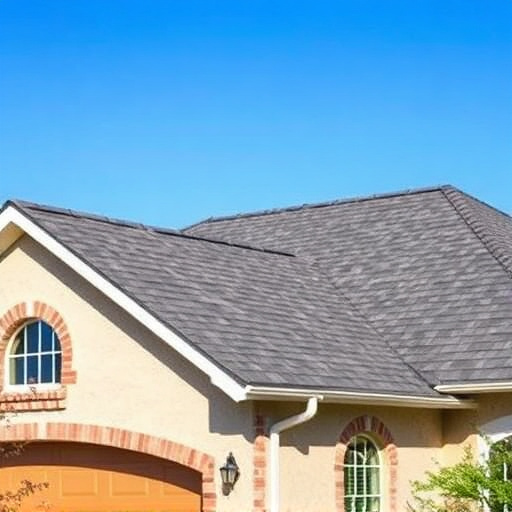
In Oro Valley, Arizona, homeowners face a unique challenge: protecting their properties from the intense desert sun, scorching heat, and powerful monsoon winds. Asphalt shingles, a popular roofing choice for their affordability and ease of installation, are put to the test in this harsh environment. While these shingles are designed to withstand various weather conditions, they can still deteriorate over time, leading to problems like granule loss, curling, and cupping. This article examines how shingles perform under such extreme conditions, offering practical advice on when to replace a few shingles naturally, emphasizing the importance of proper maintenance, and highlighting the role of high-quality, wind-rated, and cool roof shingles in preserving your Oro Valley home's roof.
- Understanding Shingle Durability in Desert Climes
- Impact of Heat and Monsoon Wind on Shingles
- Natural Shingle Degradation: What to Expect
- When to Replace: Recognizing Shingle Failure & Changing Trends
Understanding Shingle Durability in Desert Climes
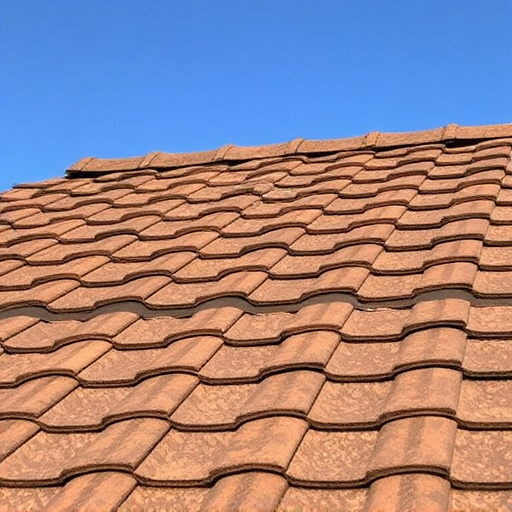
Shingles designed for desert climates must be extra-durable, capable of withstanding intense, direct sunlight, high temperatures, and the unique challenges posed by monsoon winds. In Oro Valley, where summers are scorching and monsoons can bring sudden, powerful gusts, selecting the right shingles is crucial for a roof that protects your home for years to come.
Three-tab shingles, a common choice in many areas, often fall short in desert environments. Their lower quality granule material and construction tend to degrade faster under the intense UV radiation from the desert sun. This can lead to granule loss, curling, and cupping, which not only compromises the shingles' appearance but also weakens their protective abilities.
To withstand these harsh elements, homeowners in Oro Valley should consider shingles with a Class 4 impact rating, like those offered by manufacturers like GAF and Atlas. These shingles are designed to resist high-speed debris, such as golf balls and large branches, at speeds up to 160 mph. A roofer with an Arizona ROC license will recommend these impact-resistant options for homes in areas prone to severe weather, like the foothills surrounding Oro Valley. Proper installation techniques, including the use of a ridge vent, are essential. Ventilation helps regulate roof temperatures, minimizing the impact of intense summer heat and sudden temperature drops during monsoons, which can cause shingles to expand and contract, leading to nail pops and other damage. By replacing a few shingles with these durable options and ensuring proper ventilation, homeowners can significantly extend the lifespan of their roofs.
Impact of Heat and Monsoon Wind on Shingles
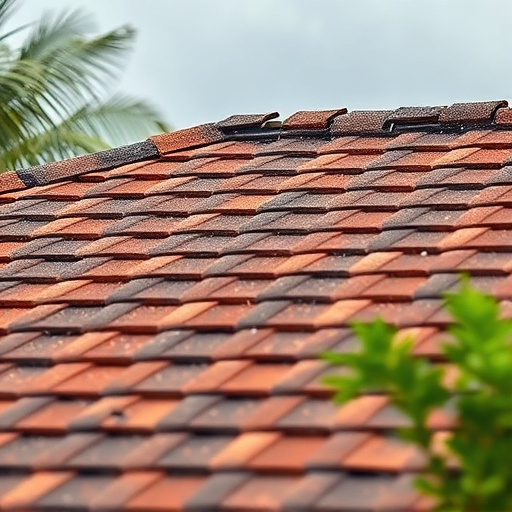
The harsh conditions in Oro Valley, including intense desert sun, scorching heat, and powerful monsoon winds, present unique challenges for roofing materials, particularly asphalt shingles. These elements can accelerate shingle wear and tear, leading to issues like granule loss, curling, and cupping. Shingles exposed to prolonged UV radiation from the desert sun may weaken, making them more susceptible to damage from high winds and heavy rainfall.
Monsoon winds, characterized by their strength and unpredictability, can dislodge loose shingles and blow off underlayment, especially on lower-sloped roofs. According to local roofing contractors, such as a licensed Oro Valley area roofing contractor, even a few shingles blown off can compromise the entire roof's integrity. A roof with a significant gap due to blown-off shingles can no longer effectively protect against water intrusion, leading to potential leaks and extensive interior damage. To mitigate these risks, homeowners should consider the following.
First, opt for high-quality, desert-rated shingles designed to withstand the local climate. Manufacturers like GAF and Atlas offer products specifically formulated for harsh desert environments. These shingles are often thicker and contain more durable granules, providing better protection against the sun and wind. Proper installation is crucial. Using an ice and water shield underlayment, as recommended by the Oro Valley Building Department and local roofing experts, can significantly enhance a roof's wind resistance and protect against leaks.
Second, homeowners in Oro Valley should be aware of their local building codes and HOA architectural review processes. The Oro Valley Building Department sets guidelines for roof replacement, including material specifications and installation standards. The Southern Arizona Homeowners Association (SAHOA) may have design guidelines that impact roofing choices, particularly for architectural shingles, which require a more meticulous installation process. When considering replacing a few shingles, it's best to consult with a roofing contractor to ensure compliance with local regulations and HOA requirements.
Natural Shingle Degradation: What to Expect
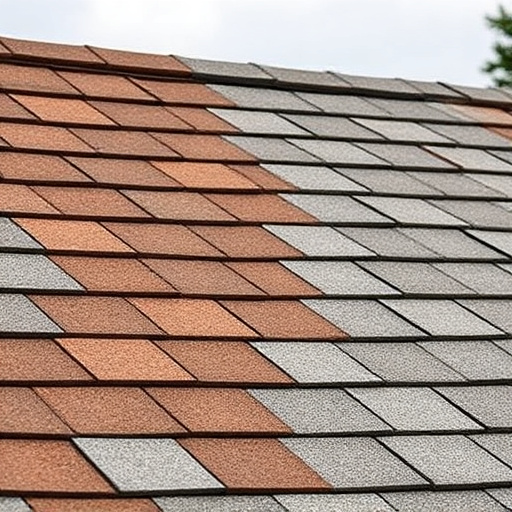
The desert sun, scorching heat, and powerful monsoon winds pose unique challenges for any roofing material, including asphalt shingles. In Oro Valley, where these environmental factors are prevalent, understanding how shingles naturally degrade in such conditions is crucial for homeowners. This section examines the specific effects of desert climate on shingles, focusing on three tab shingles, a common choice for local roofs.
Over time, asphalt shingles in Marana and Oro Valley will exhibit signs of natural wear and tear due to intense sunlight and heat. The sun's UV rays can cause the shingles' top layer to lose its granule covering, a protective outer shell that gives shingles their distinctive appearance. This granule loss can lead to discoloration, making some shingles look lighter or even duller than others. The desert heat can contribute to the curling or cupping of shingles, particularly along the edges. These changes are normal and expected, especially with architectural three tab shingles, known for their straight edges. Homeowners might notice these effects when inspecting their roofs after several years, especially in areas with direct sunlight exposure.
Wind, a force of nature that is both powerful and unpredictable, also plays a role in shingle deterioration. During monsoon season, strong winds can cause shingles to blow off, especially if they are not properly fastened or if there are missing starter strips-a crucial component at the base of the roof. A local roofing company serving Oro Valley and Marana recommends regular inspections to identify loose shingles, as they can be a safety hazard and potentially allow water intrusion. While some wind damage is inevitable, proper installation techniques, including securing shingles with quality nails and ensuring adequate underlayment, can significantly reduce its impact.
When considering replacing just a few shingles, it's essential to understand that isolated damage is common and not necessarily indicative of a larger problem. However, if you notice widespread granule loss, curling, or blow-off, it may be a sign that your roof is nearing the end of its natural lifespan. In such cases, consult with a local expert to assess the condition of your roof and determine the best course of action, whether it's a simple shingle replacement or a full roof repair.
When to Replace: Recognizing Shingle Failure & Changing Trends
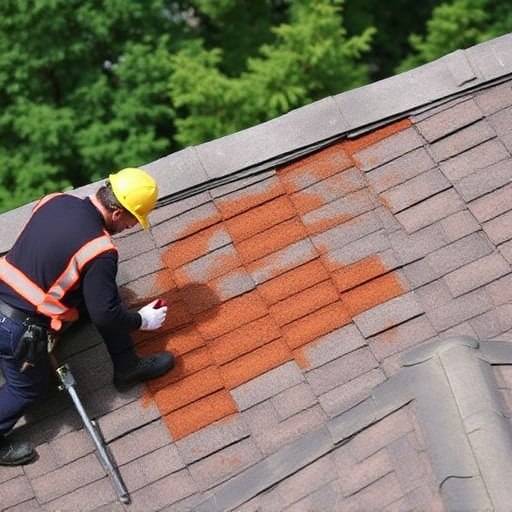
The desert sun, scorching heat, and monsoon winds pose unique challenges for roofing materials in Oro Valley. Shingles, a popular choice for homeowners in the region, are designed to withstand these harsh conditions, but they don't last forever. Recognizing when to replace a few shingles is crucial for maintaining a home's structural integrity and aesthetic appeal, especially in the Catalina Foothills where homes often bear the brunt of these environmental factors.
Over time, shingles can show signs of failure due to the extreme heat and wind. One common issue is granule loss, where the protective granules on the surface of the shingles start to shed, exposing the underlying asphalt. This not only affects the shingles' appearance but also reduces their effectiveness in protecting the roof. Another problem is curling and cupping, where the shingles bend or warp due to heat expansion and contraction. These issues can lead to inadequate coverage and increased wind damage risk, especially during the summer monsoons.
A licensed Arizona roofer often recommends replacing shingles when they exhibit significant damage or when the overall lifespan of the roof begins to wane. While it might seem tempting to delay repairs, waiting too long can result in more extensive and costly damage. A home in Saddlebrooke might have some shingles that look slightly worn or discolored. Instead of ignoring these signs, addressing them promptly by replacing a few shingles can prevent more serious problems. Regular inspections, especially after extreme weather events, can help homeowners identify and rectify issues early on. This proactive approach ensures the roof remains a reliable barrier against the elements, protecting the home and its contents.
Frequently Asked Questions About an explainer on how shingles hold up to desert sun, heat and monsoon wind
What is the unique challenge posed by Tucson's climate for shingles?
Tucson's climate, characterized by intense desert sunlight, high heat, and unpredictable monsoon winds, presents specific challenges for roofing materials, including shingles. The sun's UV radiation can degrade shingles over time, while extreme heat can cause them to expand and contract, leading to early wear and tear. Monsoon winds, though powerful and sporadic, can also cause damage, particularly if shingles aren't properly secured. This combination of factors requires shingles that are both durable and well-installed to withstand the area's harsh conditions.
How do I know if my shingles need replacing?
Several signs indicate that your shingles may need replacing. Excessive cracking, curling, or missing shingles are clear indicators. If you notice significant color fading, especially to a lighter gray or brown, it could suggest UV damage. Also, keep an eye out for water stains or leaks, which may signal weak spots in your roofing. Regular inspections, at least every few years, can help you stay ahead of potential issues.
What types of shingles are best suited for a Tucson climate?
For a desert climate like Tucson's, asphalt shingles are a popular and effective choice. They offer excellent durability, a good balance between cost and performance, and are designed to withstand high winds and varying temperatures. There are also specialized shingles designed for UV resistance, which can extend the life of your roof in areas with intense sunlight. Always consult with a licensed Tucson garage door service (like Eddies Garage Door Service) to determine the best option for your specific needs.
How can I prepare my roof for the monsoon season?
While you can't control the weather, you can take steps to ensure your roof is as storm-ready as possible. Regular cleaning to remove dirt and debris can prevent clogging of gutters, which is crucial during heavy monsoon rains. Ensure all fastenings are secure, and consider reinforcing weak spots or areas prone to high winds. A professional inspection can help identify potential vulnerabilities before the monsoon season hits.
What should I do if my roof is damaged during a monsoon storm?
Safety is paramount. If your roof is damaged during a storm, avoid walking on it until it is inspected by a professional. Contact a reputable roofing contractor immediately to assess the damage. Quick action can prevent further complications and costly repairs. Be wary of fly-by-night "roofers" who may take advantage of vulnerable homeowners in the aftermath of a storm.
Understanding the unique challenges posed by Oro Valley's desert climate is crucial for any homeowner considering shingle replacement. The article has illuminated key factors contributing to shingle degradation in this environment, from the intense heat and monsoon winds to natural processes like granule loss and curling. Recognizing these signs of wear and tear is essential, as they signal the need for timely intervention.
When deciding whether to replace a few shingles or the entire roof, several factors come into play. The lifespan of asphalt shingles in desert regions can vary, with proper installation and underlayment contributing to extended durability. Newer shingle technologies, such as impact-resistant and cool roof options, offer additional benefits in terms of durability and energy efficiency.
The article's insights empower homeowners to make informed decisions, ensuring their roofs withstand the test of time in Oro Valley's demanding climate. By understanding the natural aging process and the impact of local conditions, homeowners can effectively manage their roof's maintenance and replacement, potentially saving time and money in the long run.
In harsh Oro Valley conditions, asphalt shingles struggle against intense sun, heat, and winds. Common three-tab shingles often degrade quickly, leading to granule loss, curling, and reduced lifespan. To protect homes, use high-quality desert-rated shingles from manufacturers like GAF and Atlas, installed properly with ridge ventilation. Replace a few shingles when damaged to prevent extensive repairs. Local building codes and HOA rules should be followed for compliance and aesthetic consistency. Regular inspections help catch issues early, ensuring a durable, protective roof.