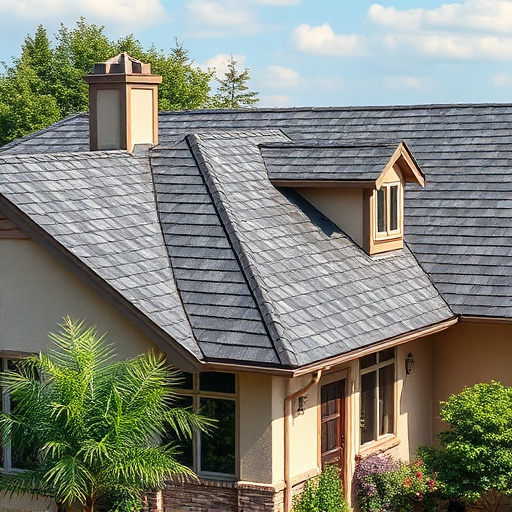
Shingle roofs are a staple of the Oro Valley landscape, protecting homes from the harsh desert sun and occasional storms. However, understanding the cost and factors influencing these roofs is crucial for any homeowner. The expense of a new or repaired roof can vary widely, often making it a significant decision. This article offers a transparent look at what drives shingle roof costs, from the type of shingles and local climate to labor and materials. We'll explore how to balance functionality with aesthetics, focusing on a key consideration: the growing popularity of cool roof shingles designed to reflect heat and reduce energy costs. By the end, you'll be equipped with insights to navigate the process confidently.
- Understanding Shingle Roof Costs: Factors at Play
- The Role of Climate: Why Cool Roof Shingles Matter
- Installation vs. Material: Breaking Down Expenses
- Longevity and Value: Return on Your Shingle Investment
Understanding Shingle Roof Costs: Factors at Play
Understanding Shingle Roof Costs: Factors at Play
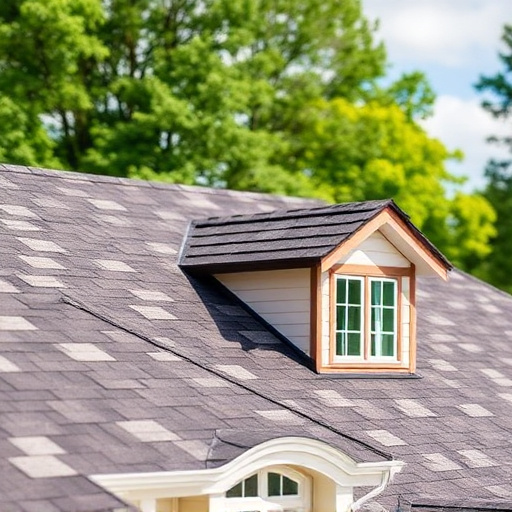
Shingle roof costs in Oro Valley can vary widely, influenced by a complex interplay of factors. When considering a new roof or a repair, it's essential to grasp these drivers to ensure you're getting a fair price and making an informed decision. The first step is understanding the materials and labor involved. A roofer with an Arizona ROC license will charge differently for a standard three-tab shingle installation compared to architectural shingles, which offer enhanced style and durability but come at a premium. The local climate also plays a significant role; in Oro Valley, with its desert environment, cool roof shingles designed to reflect heat and reduce energy costs are a popular choice. These shingles often feature an ice and water shield, a layer that protects against leaks and adds extra durability, further impacting the overall cost.
Next, consider the lifespan and performance expectations. Shingles rated for high winds or hail will be more expensive, as will those designed for low-slope roofs. Cool roof shingles, for instance, might have a slightly shorter lifespan than standard ones, but their energy-saving benefits can offset the initial cost. The condition of your existing roof also matters. If you're replacing shingles instead of laying new ones over old, the process becomes more intricate, adding to the price tag. Local labor costs, which vary in Oro Valley based on demand and skill level, significantly affect the final price. Homeowners in Marana, for example, might encounter different pricing structures than those in the city's core due to these labor dynamics.
Another critical factor is compliance with local building codes and HOA guidelines. The Oro Valley Building Department sets standards for roofing materials, and many HOAs have specific rules regarding shingle colors and styles. A particular HOA might require dark-colored shingles to blend with the area's natural surroundings. These regulations can drive up costs, especially if they depart from standard practices. Tax incentives for energy-efficient roofing, like those offered by the IRS, can make cool roof shingles a more attractive option, despite their initial higher cost. Always consult with a local roofing contractor to understand the interplay of these factors and the best course of action for your Oro Valley property.
The Role of Climate: Why Cool Roof Shingles Matter
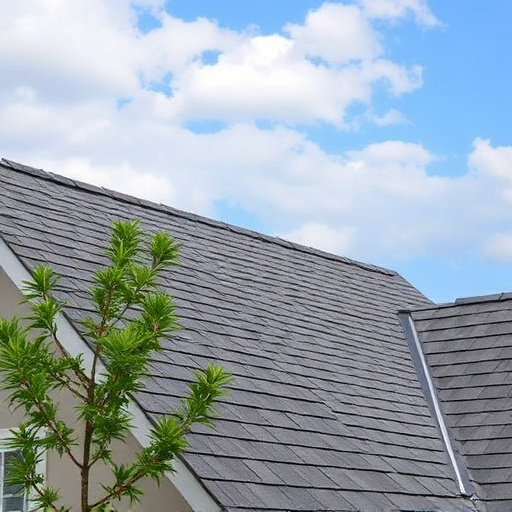
The role of climate in roofing, particularly the impact of intense UV exposure in our region, cannot be overstated. In the scorching desert heat of Oro Valley, roofs face relentless sunlight that can accelerate the deterioration of traditional shingles. This is where cool roof shingles play a crucial role. These shingles are designed to reflect a significant portion of the sun's heat, reducing the amount absorbed by the roof deck.
One of the key components of cool roof shingles is a reflective surface, often achieved through ceramic or reflective pigments embedded in the shingle's surface. Another critical element is the fiberglass mat, which acts as a base layer, providing strength and durability. The combination of these features allows cool roof shingles to outperform standard shingles in hot climates, extending the lifespan of your roof and potentially saving you money on energy costs associated with cooling your home.
Consider the example of a roofing contractor serving Oro Valley and Marana who recently installed cool roof shingles for a homeowner. The client, concerned about both the aesthetics and functionality of their roof, opted for a light-colored cool roof. The installer noted that the UV exposure in the area is significant, especially during the summer months, and that a cool roof would not only look better but also perform better over time. By choosing a shingle with a reflective underlayment and a fiberglass mat, the homeowner ensured their roof would remain in top condition, even under the intense desert sun.
Local building codes and regulations in Oro Valley also play a role in promoting cool roofs. The Oro Valley Building Department, for instance, may offer incentives or require cool roof installations for new constructions or renovations, recognizing their energy-efficient benefits. The Southern Arizona Homeowners Association (SAHOA) provides guidelines that encourage the use of reflective roofing materials, aligning with the broader trend of sustainable and environmentally friendly building practices. This not only benefits homeowners but also contributes to the region's overall energy conservation efforts.
Installation vs. Material: Breaking Down Expenses
When comparing the costs of a new shingle roof, understanding the distinction between installation and material costs is crucial. In Oro Valley and surrounding areas like Marana, the price of a new roof isn't just about the shingles themselves; it's a combination of labor and materials. A roof with cool roof shingles designed to reflect heat and lower energy costs will have a different material cost than a standard asphalt shingle roof.
The installation process significantly impacts the overall price. Local labor costs, which you can find updated through the Bureau of Labor Statistics, vary based on the complexity of the job and the contractor's experience. A skilled roofer with an Arizona ROC license will charge more for specialized work, like installing drip edges and ridge caps, compared to a basic roof replacement. The type of underlayment used, which protects the shingles from moisture and provides an extra layer of insulation, affects the material cost.
Material choices also drive the budget. High-end cool roof shingles, often made with advanced materials to reflect heat and reduce energy usage, cost more than standard asphalt shingles. Manufacturers like GAF and Atlas offer a range of options, each with varying levels of durability and energy efficiency. The need for additional components like vents and flashings to ensure proper ventilation and water protection adds to the material expenses.
Once you've determined your budget, it's essential to consider the long-term benefits of energy-efficient roofing. While the upfront costs might be higher, many regions, including Oro Valley, offer tax incentives through programs like those administered by the IRS to encourage the adoption of energy-efficient roofing. In the long run, lower energy bills can offset the initial investment, making a cool roof a smart financial decision for your home in the foothills of Oro Valley or Marana.
Longevity and Value: Return on Your Shingle Investment
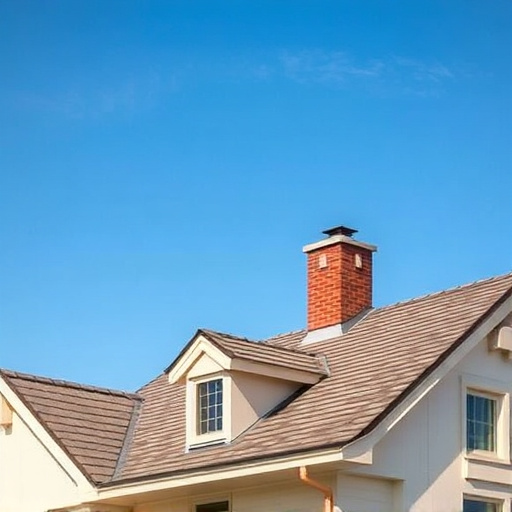
The longevity of a shingle roof is a key factor in determining its overall value and return on investment. In the harsh Oro Valley climate, where thermal cycling can be intense, the lifespan of your shingles is influenced by several factors. One of the most visible signs of aging in shingles is the loss of granules-those tiny, dark aggregates that protect the shingle's surface. Over time, exposure to sun, wind, and rain can cause granules to fall off, especially on three-tab shingles, which have a lower granule density than their architectural counterparts. This not only affects the shingles' aesthetic appeal but also their ability to reflect sunlight, a critical component in cooling your home, especially during the scorching summer months.
Cool roof shingles, designed to reflect heat and reduce thermal gain, offer a valuable long-term investment. Manufacturers often back their products with warranties that can extend up to 50 years or more. These warranties consider factors like color, which matters in a shingle's heat absorption. When considering a shingle replacement, a licensed Oro Valley area roofing contractor can advise on the best options based on your roof's current state and your energy-efficiency goals.
Regular maintenance, such as checking for loose nails and cracks, can significantly extend the life of your shingle roof. Monitoring the condition of your shingles is crucial, especially in areas prone to extreme weather events. Hailstorms can cause significant damage, and modern roofing materials, including impact-resistant shingles, are designed to withstand such events. Proper ventilation is essential to prevent excessive thermal cycling, which can accelerate shingle degradation. By understanding these factors, homeowners can make informed decisions about when to repair and when to replace, ultimately maximizing the value of their investment in their Oro Valley roof.
Frequently Asked Questions About a Plain Language Look at Shingle Roof Costs and What Drives Them
What are the average costs for a new shingle roof in Oro Valley? The average cost for a new shingle roof in Oro Valley ranges from $5,000 to $10,000, depending on the size of the roof, the type of shingles chosen, and whether there's a need for additional labor or materials. These costs can vary based on the complexity of the installation, the accessibility of the roof, and the overall condition of the existing roof structure. A licensed Oro Valley area roofing contractor like DC Roofing of Arizona will provide a detailed estimate after assessing your specific situation.
What factors influence the cost of a shingle roof? Several factors influence the cost of a shingle roof. The primary ones include the size and complexity of the roof, the type of shingles (asilphalt, metal, ceramic, etc.), labor costs, the price of materials, and any additional services like ventilation or roof decking replacement. Local building codes and permits also factor in, as do unforeseen issues like damage from weather or pest infestations.
How long does it take to install a new shingle roof? Most shingle roof installations in Oro Valley take one to two days, depending on the size of the roof and the number of people on the job. This includes time for preparation, roofing, and clean-up. A licensed roofer will provide a more precise estimate based on the specifics of your project.
Do I need to be home during the roof installation process? While it's recommended that someone be home to communicate with the roofing crew and ensure everything runs smoothly, it's not always necessary. Many roofing contractors in Oro Valley can provide a detailed daily report or even live updates via phone or text if you can't be present.
What is the best way to maintain my new shingle roof? Regular cleaning, especially after Arizona's monsoon season, is crucial to maintain your new shingle roof. Remove leaves, branches, and other debris from the gutters and roof to prevent water damage and prolong the life of your roof. Inspecting for loose or damaged shingles and addressing them promptly can help keep your roof in top condition.
How often should I consider replacing my shingle roof? Shingle roofs typically last 20 to 30 years, but this can vary based on factors like exposure to the elements, installation quality, and maintenance. In the Oro Valley climate, it's wise to consider a roof replacement every 20 to 25 years, or as soon as you notice signs of significant wear and tear.
What is the process for filing an insurance claim for a damaged roof? If your roof is damaged due to a covered event, like a storm or hail, contact your insurance company immediately to report the claim. Your insurance provider will send an adjuster to assess the damage, and once approved, they'll provide a payment to cover the necessary repairs or replacement. Working with a local, licensed roofing contractor can simplify the process.
As we've explored the world of shingle roofs in Oro Valley, several key insights stand out. First, understanding the local climate is crucial, with cool roof shingles proving essential for managing desert heat and reducing energy costs. Installation costs vary significantly, with labor and material choices playing a major role; professional contractors can guide clients through these options. The lifespan of shingles depends on quality, installation, and environmental factors, with proper maintenance extending their life. When considering a roof replacement, a cost-benefit analysis, local building codes, and the potential for tax incentives for energy-efficient roofing, like cool roof shingles, should guide your decisions. Finally, maintaining your shingle roof through regular checks, addressing issues like granule loss, curling, or cracks, and adhering to HOA guidelines ensures longevity and value for your investment. These practical steps empower Oro Valley homeowners to make informed choices about their shingle roofs.
Shingle roof costs in Oro Valley are influenced by climate, materials, labor, regulations, and lifespan. Cool roof shingles, designed to reflect heat and reduce energy costs, are a popular choice due to their durability and energy-saving benefits, despite higher upfront costs. Key factors affecting cost include:
- Climate: Local desert environment necessitates heat-reflecting, cool roof shingles.
- Labor: Local labor costs vary based on skill level and project complexity.
- Regulations: Building codes and HOA guidelines may require specific shingle styles and colors.
- Lifespan: Cool roof shingles often have slightly shorter lifespans but offer energy savings.
Regular maintenance and understanding these factors help homeowners make informed decisions. Consulting a licensed Oro Valley roofer is crucial for accurate pricing and best options.