
Shingle repairs are a crucial aspect of maintaining your Oro Valley roof, especially in our desert climate. With extreme heat, strong winds, and occasional storms, your roof faces significant wear and tear, leading to common issues like lifted tabs, granule loss, curling, and cupping. These problems not only compromise the aesthetic appeal of your home but also weaken the protective barrier against the elements. This guide aims to equip homeowners and property managers with the knowledge and practical tips to address these issues, from identifying lifted tabs and granule loss to understanding the importance of proper ventilation and the benefits of impact-resistant shingles. By the end, you'll be well-prepared to make informed decisions regarding your roof's health and longevity.
- Identifying Common Shingle Damage: Lifted Tabs & Granule Loss
- Assessing Shingle Granule Loss: Causes & Extent
- Repairing Lifted Tabs: Step-by-Step Guide
- Preventing & Mitigating Shingle Granule Loss
Identifying Common Shingle Damage: Lifted Tabs & Granule Loss
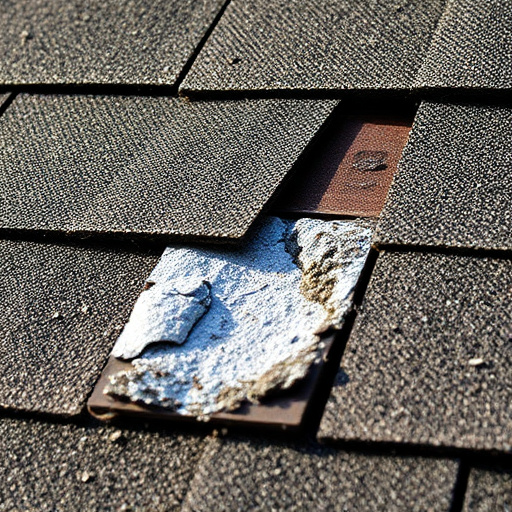
Shingle granule loss and lifted tabs are among the most common forms of damage on roofs in Oro Valley's harsh, sunny climate. These issues, stemming from prolonged UV exposure and intense winds, can compromise the integrity of architectural shingles, a popular choice for local homes due to their durability and aesthetic appeal.
Lifted tabs often result from a combination of two factors: inadequate installation and environmental stressors. In Marana, where the climate is similar to Oro Valley's, the prolonged UV exposure can cause the shingles' tabs (the individual sections of the shingle) to loosen and eventually lift. This damage is not only unsightly but also allows moisture intrusion, which can lead to further problems like mold and mildew growth under the shingles.
Shingle granule loss, on the other hand, is a direct consequence of the extreme conditions in the desert. The constant exposure to intense sunlight, high temperatures, and occasional storms causes the granules (small aggregates embedded in the shingle's surface) to dislodge and fall off. This not only reduces the shingles' effectiveness in protecting the roof but also exposes the underlying underlayment, accelerating the overall deterioration of the roof.
A local roofing company serving Oro Valley recommends regular inspections to identify these issues early. During an inspection, a qualified roofer may notice lifted tabs as small, curled-up areas on the shingles or granule loss as bare spots on the surface. Addressing these issues promptly is crucial, as waiting can lead to more significant damage and, ultimately, a costly full roof replacement. The right course of action depends on the severity of the damage. In some cases, re-nailing or re-fastening the shingles may suffice. However, for extensive granule loss, a full shingle replacement might be necessary, with a focus on selecting UV-resistant and impact-rated shingles to better withstand Oro Valley's challenging conditions.
Assessing Shingle Granule Loss: Causes & Extent
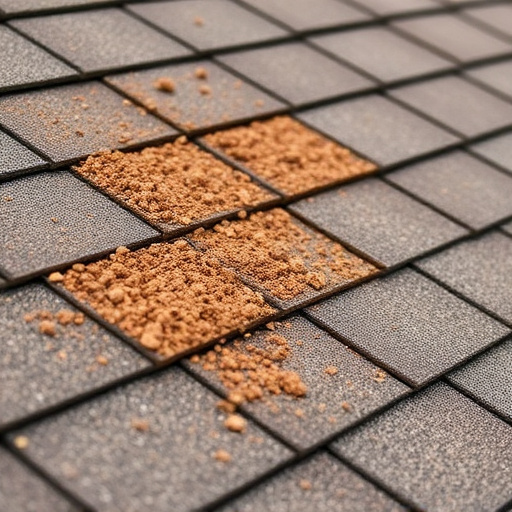
Shingle granule loss is a common issue in Oro Valley, particularly with the region's unique climate and environmental conditions. This loss, characterized by the dislodging of small granules from the surface of asphalt shingles, can significantly impact a roof's durability and aesthetic appeal. The primary cause of this problem is extensive UV exposure, which can weaken the fibers holding the granules in place. In the Rancho Vistoso area, where homes often sit under the intense desert sun for much of the year, this effect is amplified.
The extent of granule loss can vary widely. Minor loss may only result in a few scattered granules missing, while severe cases can leave significant portions of the shingle surface bare. Homeowners often notice this in the form of discolored patches or areas where the shingle appears matted, exposing the underlying fiberglass mat. Over time, repeated UV exposure and varying temperature changes during seasonal shifts can lead to substantial granule loss, making it crucial to address the issue promptly.
When assessing a roof for granule loss, a local roofing company serving Oro Valley will carefully inspect the shingles. This may involve climbing the roof (if safe and feasible) or utilizing a camera system to examine the surface from below. The goal is to pinpoint the affected areas and determine the severity of the loss. In some cases, the solution may be as simple as replacing individual shingles or a few rows. However, extensive granule loss might necessitate a full roof replacement, especially if the shingles are nearing the end of their lifespan anyway. If a home has older shingles that have outlived their manufacturer-recommended lifespan, the decision to replace the entire roof can be cost-effective and ensure the new shingles are properly protected from future UV exposure.
Repairing Lifted Tabs: Step-by-Step Guide
Repairing lifted tabs in three tab shingles is a common issue in the Oro Valley climate, often due to intense sunlight, wind, and variations in temperature. These shingles, known for their simple, three-layered design, are susceptible to curling and cupping when exposed to prolonged heat and UV radiation. If you notice any lifted tabs, it's crucial to address the issue promptly to prevent further damage, particularly granule loss. This can lead to reduced protection against the elements and, eventually, a weakened roof structure.
Here's a step-by-step guide to repairing lifted tabs:
-
Identify and Assess the Damage: Start by thoroughly inspecting your roof to pinpoint the affected areas. Look for curled, cupped, or lifted tabs, which are often visible from the ground or through a quick rooftop walk. Use a flashlight to examine the shingles closely, as granule loss can occur on the underside, making it less obvious from the surface.
-
Gather Materials and Tools: Before you begin, ensure you have the necessary tools and materials. You'll need a roofing knife or utility knife, a hammer, new three tab shingles (preferably from the same manufacturer and batch), and an appropriate adhesive or sealant. For more severe cases or if your roof has a Class 4 impact rating, consider consulting with a roofing contractor serving Oro Valley and Marana to ensure the best repair and long-term protection.
-
Remove the Lifted Tab: Carefully remove the lifted tab using the knife. Be cautious to avoid damaging the surrounding shingles. Once the tab is loose, gently pry it off, taking care not to bend or crack the underlying shingles. This step may require some force, especially if the tab has been lifted for a significant time, allowing moisture to infiltrate.
-
Prepare the Roof Surface: After removing the damaged tab, clean the area to ensure no debris or granule residue remains. Use a soft brush or a vacuum attachment to remove any loose granules and ensure a clean, dry surface. If there are any cracks or significant granule loss in the surrounding area, this might indicate a more extensive problem, and further evaluation by a professional is recommended.
Preventing & Mitigating Shingle Granule Loss
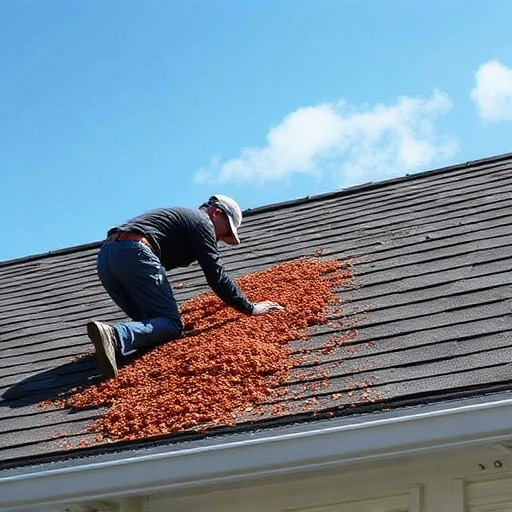
Shingle granule loss is a common issue in the arid climate of Oro Valley, where extreme heat and strong winds can accelerate the aging process of asphalt shingles. This problem arises when the tiny granules that protect and seal the shingles' fiberglass mat become loose and wash away, exposing the mat and compromising the roof's integrity. Preventing and mitigating granule loss is crucial to maintaining a roof's lifespan and protecting the investment of homeowners in the Marana area.
One of the primary causes of granule loss is the natural aging process, where UV rays and heat break down the oil used to bind the granules to the mat. This process is accelerated by exposure to high winds, which can dislodge granules and cause them to accumulate in gutters and downspouts. To combat this, homeowners should consider using impact-resistant shingles, which are designed to withstand harsher conditions and retain their granules longer. Proper installation techniques, including secure fastening and adequate underlayment, are essential to prevent granule loss. A local roofing company serving Oro Valley can offer expert advice and ensure the best practices are followed.
Regular maintenance is another key strategy. Homeowners should inspect their roofs for any signs of granule loss, especially after severe weather events. Replacing missing or damaged shingles promptly and keeping the roof's underlayment in good condition can significantly slow down the deterioration process. Using a high-quality, fiber-reinforced underlayment can also enhance the roof's resistance to granule loss. Proper ventilation along the roof's ridge line helps regulate temperature extremes, reducing the stress on the shingles and prolonging their lifespan.
Finally, choosing the right shingle brand and color can make a difference. Some manufacturers offer enhanced granule adhesion formulas and better resistance to environmental factors. Lighter-colored shingles reflect more sunlight, helping to mitigate the effects of heat absorption. Homeowners in Oro Valley, with its distinct climate, can benefit from consulting with roofing experts to select shingles that align with these considerations. By taking proactive steps to prevent and mitigate shingle granule loss, homeowners can ensure their roofs remain protective and durable for years to come.
Frequently Asked Questions About a Guide to Shingle Repairs, from Lifted Tabs to Granule Loss
What are the most common reasons for shingle damage? Shingle damage can result from a variety of factors, including high winds, severe weather, age, and installation errors. The most common issues include lifted tabs, granule loss, and cracks. DC Roofing of Arizona often sees lifted tabs, where a portion of the shingle is dislodged, exposing the underlayment. Granule loss, where small granules from the shingle surface wear away, is also a prevalent problem, especially in older roofs.
How do I know if my shingles need replacing? Regular inspections are key to identifying shingle damage early. Look for loose, curled, or missing shingles, as well as signs of granule loss. If you notice any of these issues, especially after a severe storm, it's best to contact a licensed Oro Valley roofer for an assessment. Most installations take one to two days, and early repair can prevent further damage.
Can I repair lifted tabs myself, or do I need a professional? While some minor shingle repairs can be done by homeowners, lifted tabs usually require professional attention. Attempting to repair them yourself might void your warranty and could lead to further damage. A local roofing company serving Oro Valley has the expertise and tools to securely re-attach lifted tabs, ensuring your roof's integrity.
What happens if granule loss is extensive? Extensive granule loss can weaken your roof and reduce its lifespan. If the loss is significant, it's best to replace the shingles rather than just repairing them. An experienced Oro Valley roof specialist can assess the extent of the damage and recommend the best course of action, which may include a complete roof replacement.
How can I prevent shingle damage in the first place? Regular maintenance is crucial. Clear gutters of debris to prevent water damage, and ensure proper ventilation to reduce heat buildup, which can cause shingles to deteriorate. Consider high-quality shingles that are designed for better resistance to extreme weather conditions. A roofing contractor serving Oro Valley and Marana can provide guidance on the best products and installation practices to protect your investment.
As your Oro Valley roofing guide has thoroughly explored, shingle granule loss and lifted tabs are among the most common and concerning issues homeowners in this desert climate face. By understanding the root causes of granule loss, from UV exposure and high winds to poor installation, you can take proactive steps to prevent or mitigate these problems. Regular inspection and prompt repair of lifted tabs, along with choosing wind-rated and impact-resistant shingles, can significantly extend the lifespan of your roof. Using appropriate underlayment, ventilating your roof, and adhering to local building codes and HOA guidelines can further protect against excessive granule loss. Investing in these measures not only preserves the integrity of your roof but also maintains the curb appeal and value of your Oro Valley property.
In Oro Valley's harsh climate, shingle granule loss and lifted tabs are common due to UV exposure and winds. Granule loss weakens shingles, exposing underlying material. Lifted tabs, often from inadequate installation and UV damage, are unsightly and allow moisture intrusion. Regular inspections are vital; repairs include re-nailing, replacing individual or full shingles. Using UV-resistant and impact-rated shingles can better protect roofs. Preventative measures include proper installation, maintenance, and choosing durable, light-colored shingles.