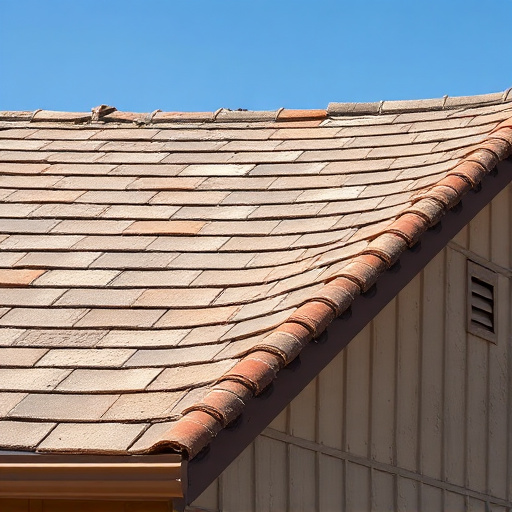
In Oro Valley, Arizona, where intense desert sunlight and powerful monsoon winds are the norm, choosing the right roofing material is crucial. Homeowners often find themselves facing a common dilemma: selecting between architectural and three-tab asphalt shingles, both with their unique strengths and weaknesses in this harsh environment. This article examines how these two types of shingles fare under the relentless sun, scorching heat, and wind-driven debris, providing insights into their longevity, durability, and maintenance requirements. We'll explore why understanding these factors is essential for any homeowner looking to protect their investment and ensure their peace of mind.
- Understanding Shingle Durability in Arid Environments
- Desert Sun's Impact: Architectural vs. Three Tab
- Heat Resistance: Key Factors for Shingle Selection
- Monsoon Season: Protecting Your Roof from Wind Damage
Understanding Shingle Durability in Arid Environments
Understanding Shingle Durability in Arid Environments
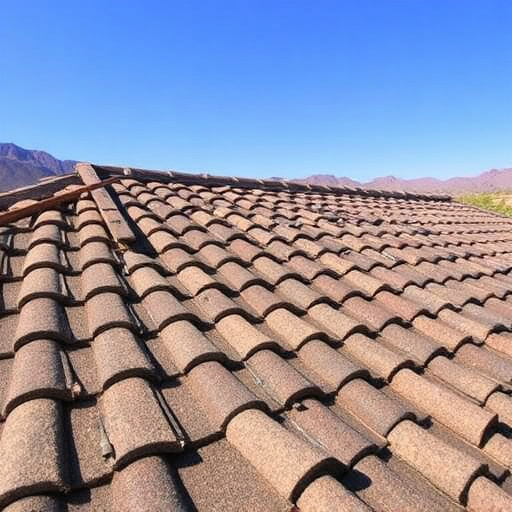
The desert sun, scorching heat, and monsoon winds of Oro Valley present unique challenges for roofing materials, particularly for shingles. When choosing a roofing solution for this environment, the key lies in selecting shingles designed to withstand these harsh conditions. Architectural shingles, known for their superior strength and aesthetic appeal, often prove more suitable than their three-tab counterparts in such climates. This is because architectural shingles are constructed with a thicker base and additional layers, making them more resistant to wind and heat-induced damage.
In Oro Valley, where extreme weather is a regular occurrence, it's essential to consider the long-term performance of shingles. Energy-efficient ENERGY STAR-rated shingles can play a vital role in reducing cooling costs while also offering enhanced durability. The local climate demands roofing materials that reflect sunlight, minimizing heat absorption. This is especially true in neighborhoods like Saddlebrooke and Rancho Vistoso, where well-maintained roofing can contribute to the overall appeal and value of the community.
A roofer with an Arizona ROC license, familiar with the local building codes and climate, would advise that regular inspection and maintenance are crucial. Even high-quality shingles can suffer from granule loss, curling, or cupping over time due to the intense desert sun. Wind-rated shingles, designed to resist speeds up to 120 mph, are a smart investment for areas prone to monsoons and thunderstorms. Regular replacement of a few missing or damaged shingles can prevent more extensive and costly repairs. The Oro Valley Building Department offers guidelines and regulations that, when followed, ensure the longevity of your roof.
When considering the cost of shingle roofs, remember that the initial investment often pays off in the long run. Properly installed, high-durability shingles can last 25 years or more with minimal maintenance. This is a significant advantage over tile roofing, which may be more susceptible to damage from extreme winds and hail.
Desert Sun's Impact: Architectural vs. Three Tab
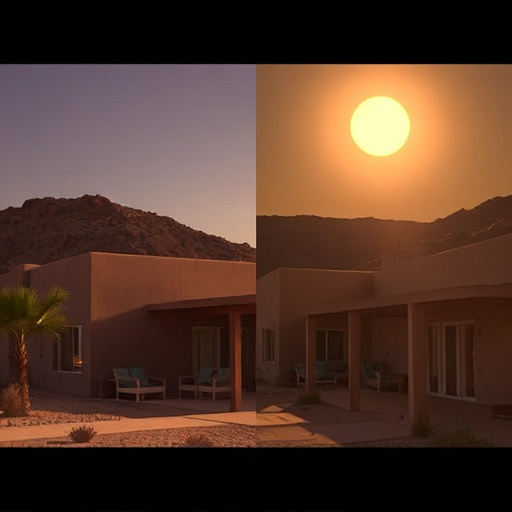
The desert sun presents a unique challenge for any roofing material, and for asphalt shingles in Oro Valley, the choice between architectural and three-tab styles can significantly impact their performance. Architectural shingles, with their intricate designs and larger surface area, must withstand the intense UV radiation and heat that are hallmarks of the local climate. In contrast, three-tab shingles offer a more straightforward design, but they too have their considerations.
One key difference lies in their durability. Architectural shingles are known for their superior strength and longevity. They often feature a thicker base mat and more adhesive, allowing them to better handle the stress of direct sunlight and extreme temperatures. On the other hand, three-tab shingles, while still reliable, might not offer the same level of resistance to curling and cupping, common issues in desert regions. This is where proper installation, including using an ice and water shield underlayment, becomes even more critical.
When considering the impact of monsoon winds, both styles can perform admirably if installed correctly. A licensed Arizona roofer will recommend a Class 4 impact rating for areas prone to severe weather, like Oro Valley. This rating, achieved through specialized underlayments and strong shingles, protects against hail, wind, and debris. The Southern Arizona Homeowners Association (SAHOA) provides guidelines that include recommendations for impact-resistant roofing, ensuring that new installations meet or exceed local building codes. However, three-tab shingles' smaller tabs might make them more susceptible to wind-related damage if not secured properly.
The choice between architectural and three-tab asphalt shingles depends on specific needs and local conditions. Architectural shingles may offer better resistance to the harsh desert sun and its effects, while three-tab shingles can be a cost-effective option with proper installation. Understanding these differences is crucial for homeowners and contractors alike, ensuring that Oro Valley's roofs can withstand the unique challenges posed by its climate.
Heat Resistance: Key Factors for Shingle Selection
When selecting roofing materials for your Oro Valley home, one of the most critical factors to consider is heat resistance. The harsh desert sun and extreme temperatures can take a toll on your roof, and choosing the right shingles can significantly impact your home's energy efficiency and overall longevity. This is where architectural shingles surpass their three-tab counterparts.
Architectural shingles, like those from leading manufacturers like GAF and Atlas, are designed with enhanced durability and heat resistance in mind. Unlike three-tab shingles, which are more susceptible to damage from the intense Arizona sun, architectural shingles have a thicker, more complex construction. This added thickness provides better protection against the elements, including high winds and the scorching heat of a desert summer. DC Roofing of Arizona often recommends architectural shingles to clients seeking a long-lasting, energy-efficient roof that can withstand the area's unique climate.
The ability to resist heat is crucial for maintaining a comfortable indoor temperature and reducing energy costs. Shingles with superior heat resistance are less likely to become brittle or lose their granule cover, which protects against water damage. This is especially important during monsoon seasons when powerful winds can sweep through Oro Valley, potentially dislodging weaker shingles. Many modern architectural shingles are designed with an ice and water shield, further enhancing their resistance to extreme weather. This extra layer of protection is a significant benefit, especially for homes in areas prone to heavy rainfall or snow, providing an extra barrier against water intrusion.
Before making a decision, it's essential to check your local Homeowners Association (HOA) architectural review guidelines. Some HOAs in the Oro Valley area have specific requirements for roof materials, especially for color and style. Certain architectural shingles may be preferred or required to maintain a consistent aesthetic with the community's design guidelines. Working with a local roofing contractor, like DC Roofing, who is familiar with these regulations can help ensure compliance while selecting the most suitable heat-resistant shingles for your home.
Monsoon Season: Protecting Your Roof from Wind Damage
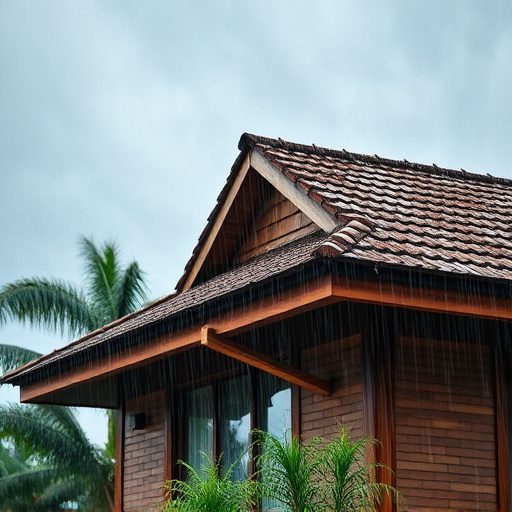
Monsoon season in Oro Valley brings not only scorching heat and heavy rain but also powerful winds that can take a toll on your roof. This is especially relevant when comparing architectural shingles to the more traditional three-tab variety. Architectural shingles, known for their superior durability and aesthetic appeal, need extra protection to withstand the unique challenges posed by monsoon winds.
The intense winds, often exceeding 30 mph during a typical monsoon storm, can cause significant damage, including shingle blow-off and curling. Shingles designed for regions with lighter wind conditions may not hold up as well in Oro Valley's monsoon environment. A three-tab shingle, while less expensive and more common, offers less resistance to wind, making it more susceptible to lifting and potential damage. In contrast, architectural shingles, with their larger and more robust design, provide better wind resistance, offering Oro Valley homeowners a more durable option.
To ensure your roof remains secure during these intense storms, proper installation and additional protective measures are crucial. A licensed Oro Valley area roofing contractor recommends ridge vents as a key component of wind protection. By allowing a flow of air through the roof's ridge line, ridge vents help to reduce the buildup of wind pressure, lessening the chance of shingle damage. This simple yet effective strategy, combined with a quality underlayment, can make a significant difference in your roof's performance during monsoon season. Regular inspections and prompt repair of any damaged shingles are also essential to prevent further issues.
Frequently Asked Questions About an explainer on how shingles hold up to desert sun, heat and monsoon wind
What are the unique challenges of roofing in Oro Valley's desert environment?
Oro Valley's hot, dry climate and powerful monsoon winds present specific challenges for roofing. Shingles must withstand intense UV radiation from the sun, which can accelerate degradation. Monsoon winds, often carrying debris, can put additional strain on shingles. The rapid temperature changes between day and night can lead to thermal expansion and contraction, putting stress on the roofing materials.
How do shingles protect a home from the desert sun?
Modern shingles, especially those designed for high-sunlight environments, incorporate UV-resistant materials and coatings. These features block or reflect harmful UV rays, preventing premature fading and degradation of the shingles. Reflective or light-colored shingles can also help keep the home cooler by absorbing less heat from the sun, reducing the overall energy load.
Are all shingles equally resistant to heat and wind?
No, not all shingles are created equal. Higher-quality shingles, often made with stronger, more durable materials and better manufacturing processes, will generally withstand heat and wind better. DC Roofing of Arizona recommends shingles with a Class 4 or higher wind rating for Oro Valley homes, which can withstand winds exceeding 140 mph.
How often do shingles need to be replaced in the desert?
The lifespan of shingles varies depending on several factors, but in the desert climate of Oro Valley, homeowners can expect to replace their shingles every 20-30 years. Regular inspection and maintenance by a licensed Oro Valley roofer can help extend the life of your shingles by identifying and addressing issues early.
Can monsoon winds cause damage to roofs?
Monsoon winds can indeed cause damage to roofs if shingles are not properly installed or if the roof is in poor condition. Strong winds can lift and tear off shingles, or cause them to curl and crack. A well-maintained, professionally installed roof with adequate fastening is less susceptible to monsoon damage.
What should I do if I notice damage to my shingles?
If you notice any signs of damage to your shingles, such as cracks, curling, or missing pieces, contact a licensed Oro Valley roofer as soon as possible. Prompt repair or replacement can prevent further damage and ensure the integrity of your roof.
In the harsh conditions of Oro Valley's desert climate, choosing the right roofing material is crucial for a durable and efficient roof. We've explored the key factors that determine a shingle's performance in such an environment, focusing on the distinction between architectural and three-tab styles. Understanding how the desert sun, intense heat, and monsoon winds impact shingles, we've highlighted the importance of selecting heat-resistant and wind-rated products.
The article underscores that architectural shingles, known for their superior durability and aesthetic appeal, often outperform three-tab shingles in extreme conditions. This is due to their more complex design, which includes interlocking tabs and a thicker material, making them less susceptible to curling, cupping, and granule loss under intense sunlight and heat. On the other hand, while three-tab shingles are more affordable, they may not hold up as well in the long term, especially during Oro Valley's monsoon winds, which can lead to blow-offs and damage.
Practical considerations include understanding the local building codes and regulations regarding shingle replacement, as well as the potential tax benefits of energy-efficient roofing. Homeowners and property managers should also be aware of the visual impact of shingle color choices, as dark shingles absorb more heat, and consider the added protection of impact-resistant or cool roof shingles.
For roofing in Oro Valley, a well-informed decision about the type of shingle is critical. By understanding the environmental factors at play and choosing the right material, homeowners can ensure a roof that protects their property and stands the test of time, even in the face of desert heat, strong winds, and intense monsoons.
In the harsh Oro Valley climate, architectural shingles outperform three-tab counterparts in heat resistance, wind protection, and longevity. They offer superior durability, better handle intense sun and winds, and are recommended by local contractors for energy efficiency and aesthetic appeal. Proper installation, including ridge vents and underlayment, is crucial for both styles to withstand monsoon season. Regular maintenance and inspections are essential for all roofing materials in this environment.