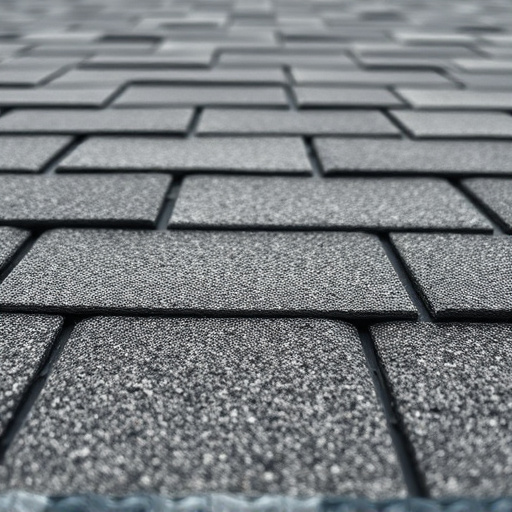
In Oro Valley, Arizona, choosing the right roofing material is crucial for both aesthetics and structural integrity. The region's extreme desert heat, strong winds, and occasional storms place unique demands on shingles, leading homeowners to ponder the merits of architectural versus three-tab shingles. Both styles have their advocates, but understanding their lifespans, durability, and specific advantages in this climate is key to making an informed decision. This article provides a comprehensive comparison, focusing on the key differences, to help residents navigate the selection process, ensuring their roofs withstand the unique challenges of southern Arizona.
- Understanding Architectural and Three Tab Shingle Types
- Key Differences: Durability & Performance Comparison
- Installation Considerations: Cost & Labor Insights
- Visual Impact: Esthetic Choices for Southern Arizona Homes
Understanding Architectural and Three Tab Shingle Types
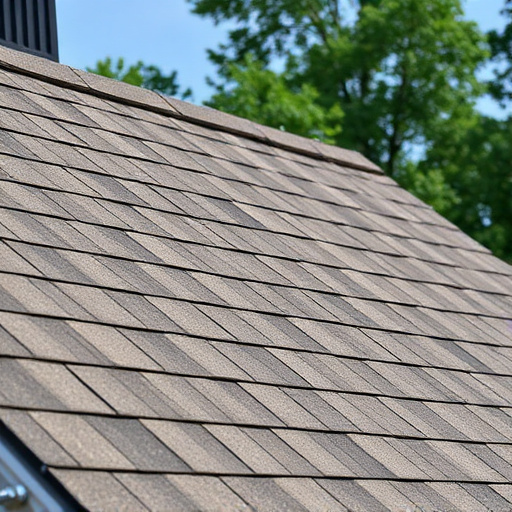
In the rugged, sun-drenched landscape of southern Arizona, including Oro Valley, choosing the right roofing material is essential for durability and aesthetic appeal. When comparing architectural and three tab shingles, homeowners and roofing contractors alike must consider factors that directly impact performance in the region's unique climate and conditions. Architectural shingles, characterized by their complex design and superior durability, offer a distinct advantage in this desert environment. Unlike their three tab counterparts, these shingles are known for their enhanced resistance to granule loss, a common issue in the harsh sunlight and monsoon winds that sweep through Oro Valley.
The three tab design, while simpler in appearance, has its drawbacks. The smaller, individual tabs can be more susceptible to curling and cupping, especially when exposed to the region's extreme temperatures. While three tab shingles might seem like a more economical choice, their lower cost often translates to reduced wind resistance. In a region prone to powerful thunderstorms and monsoons, this can be a significant concern. During a severe storm, the lack of structural integrity in three tab shingles could lead to significant damage, while an architectural shingle roof might stand stronger against the winds.
A crucial distinction lies in the material's underlayment and drip edge details. An experienced Oro Valley roof specialist will emphasize the importance of proper installation, especially when using architectural shingles. These shingles, with their heavier granule load, demand a robust underlayment to handle the increased weight and provide adequate protection against moisture intrusion. The drip edge, a critical component often overlooked, matters in diverting rainwater away from the roof's perimeter, preventing water damage and granule loss. When selecting between architectural and three tab shingles, Oro Valley homeowners should consider the long-term benefits, such as reduced maintenance, enhanced curb appeal, and the potential for better energy efficiency, all of which contribute to a more sustainable and cost-effective roofing solution.
Key Differences: Durability & Performance Comparison

When choosing between architectural and three tab shingles for your Oro Valley roof, durability and performance are paramount considerations, especially given the region's harsh desert climate. While both types of shingles have their merits, they diverge significantly in their ability to withstand the unique challenges posed by southern Arizona's hot sun, strong winds, and occasional severe storms.
Architectural shingles, known for their superior aesthetics and enhanced durability, are designed to mimic the look of multiple, hand-cut shingles. This construction, often featuring thicker and heavier granules, makes them more resistant to curling, cupping, and blistering under intense desert heat. Their sophisticated design includes advanced underlayment and ridge cap systems, contributing to better wind resistance and protection against hail damage. Many local roofing contractors, including a roofer with an Arizona ROC license, recommend architectural shingles for homes in Oro Valley and neighboring communities like Saddlebrooke, where energy efficiency and long-term savings are key concerns.
In contrast, three tab shingles, with their simpler design and lower cost, are comprised of three flat tabs attached to a backing sheet. While they offer adequate protection against the elements, they tend to be less durable than architectural shingles. Three tab shingles are more susceptible to granule loss due to UV exposure and may not withstand strong winds as effectively. Their lower solar reflectance can also lead to increased energy consumption in the summer months, contrary to the goal of many homeowners seeking energy-efficient solutions. However, for budget-conscious homeowners looking for a quick and affordable repair or replacement, three tab shingles can be a suitable option, especially when considering the potential for frequent claims under the IRS tax incentives for energy-efficient roofing.
When comparing the two, the HOA architectural review process in Oro Valley plays a crucial role. Many HOAs, adhering to design guidelines that prioritize aesthetics and durability, approve only architectural shingles for replacement projects. This ensures a uniform and high-quality appearance throughout the community. The choice between architectural and three tab shingles depends on your budget, desired lifespan, and the level of energy efficiency you seek.
Installation Considerations: Cost & Labor Insights
When comparing architectural shingles to three-tab shingles in southern Arizona, one of the most critical factors to consider is the cost and labor required for installation. Both styles have their unique characteristics that impact these aspects, and understanding these differences can significantly influence your decision.
Architectural shingles, known for their complex design and enhanced aesthetic appeal, generally come with a higher upfront cost compared to three-tab shingles. This is primarily due to their construction-architectural shingles are thicker, with more layers and a higher percentage of granule (small mineral particles) coverage, which adds to their durability and visual appeal. However, this increased durability also means they may require more skilled labor for installation, potentially impacting the overall labor costs. In Oro Valley, where the climate presents unique challenges, including extreme thermal cycling and high UV exposure, architectural shingles can offer a longer lifespan due to their superior resistance to curling, cupping, and blistering, which can save on long-term replacement costs.
On the other hand, three-tab shingles, with their simpler design and lower price point, might seem like a more budget-friendly option. They are lightweight, easy to install, and can be quickly replaced if damaged. Yet, their lower cost often reflects a shorter lifespan and less resistance to intense desert conditions. Three-tab shingles may be more prone to granule loss due to UV exposure, which can compromise their protective layer over time. Their lower solar reflectance could contribute to higher energy costs during the summer months, contrary to the energy-efficient benefits often associated with roofing materials.
A roofing contractor serving Oro Valley and Marana may advise that, while three-tab shingles can be a cost-effective choice for lower-slope roofs or small repairs, architectural shingles are often the better investment for most residential properties in the region. They offer a more durable, visually appealing option that aligns with the design guidelines of local Homeowners Associations (HOAs), which frequently promote architectural shingles for their aesthetic benefits. The increased labor costs associated with architectural shingles can be justified by their enhanced performance, longer lifespan, and potential tax incentives for energy-efficient roofing, as verified by the IRS.
Visual Impact: Esthetic Choices for Southern Arizona Homes
The visual impact of a home's roofing system matters in its overall aesthetic appeal, especially in the sunny, desert climate of southern Arizona. When considering roofing options for your Oro Valley home, the choice between architectural and three-tab shingles goes beyond mere style; it involves understanding the unique challenges and opportunities presented by the local environment. In this region, where homes often sit under intense UV exposure, the decision can impact energy efficiency and the longevity of your roof.
Architectural shingles, known for their complex, layered design, offer a visually striking appearance that can enhance the curb appeal of your Rancho Vistoso residence. This style often imitates the look of tile or slate, providing a sophisticated and distinct look. However, in southern Arizona, the intense solar reflectance and UV exposure can accelerate the aging process of these shingles, potentially leading to granule loss and discoloration. A licensed Arizona roofer might recommend regular inspections to ensure the roof's structural integrity, as these shingles are more prone to damage from high winds and hail.
On the other hand, three-tab shingles, with their simplified, tabbed design, present a more straightforward aesthetic. They are lightweight, making them less susceptible to curling, cupping, or blistering in the summer heat. This design also allows for better airflow, which can be crucial in Oro Valley's climate. While three-tab shingles may not offer the same level of visual appeal as their architectural counterparts, they are more durable in extreme conditions, often featuring better wind ratings and hail resistance. When considering the long-term visual impact, the choice between these styles depends on balancing your design preferences with the practical needs of your home's roof.
Frequently Asked Questions About a comparison of architectural and three tab shingles for southern Arizona
What are the primary differences between architectural and three tab shingles? Architectural shingles, also known as dimensional or laminated shingles, offer a more complex and aesthetically pleasing appearance. They are thicker, made from multiple layers of asphalt and fiberglass, and designed to mimic the look of traditional shake or tile roofs. In contrast, three tab shingles are thinner, single-layer shingles with a simple, flat profile. They are often less expensive and easier to install but provide less wind resistance and less protection against severe weather compared to architectural shingles.
Which type of shingle is better suited for the southern Arizona climate? Southern Arizona's climate, characterized by high temperatures, low humidity, and occasional strong winds, makes architectural shingles a better choice. Their superior wind resistance and ability to withstand extreme temperatures make them more suitable for this region. Three tab shingles, while more affordable, may not offer the same level of protection against the harsh climate conditions common in southern Arizona.
How long do architectural and three tab shingles typically last? Architectural shingles generally have a longer lifespan, often lasting 30-50 years, due to their reinforced construction. Three tab shingles, being thinner, tend to have a shorter lifespan, typically ranging from 15 to 30 years. These lifespans are subject to environmental factors, proper installation, and regular maintenance.
Do architectural shingles offer better protection against water damage? Yes, architectural shingles provide better protection against water intrusion and leaks. Their multi-layered design and seamless construction help prevent water from penetrating the roof system. In contrast, three tab shingles, with their flat profile, may be more susceptible to water pooling and potential leaks, especially during heavy rainfall.
Are there any energy-efficient options available with these shingles? Both architectural and three tab shingles can be made with energy-efficient properties. Some manufacturers offer shingles with reflective coatings that can reduce heat absorption, leading to better insulation and lower cooling costs. Always check the product specifications and consider your energy efficiency goals when selecting a shingle type.
When considering roofing options for your Oro Valley home, the choice between architectural and three tab shingles is crucial, given the unique challenges posed by the region's desert climate. This article has highlighted the key differences in durability, performance, and visual appeal between these two shingle types. Architectural shingles, with their superior wind resistance and longer lifespan, offer a more robust defense against the harsh conditions of southern Arizona. On the other hand, three tab shingles, while more cost-effective, have limited wind ratings and shorter lifespans, making them a less durable option.
Installation considerations play a significant role in your decision. Understanding the labor costs and potential pricing differences between these shingles is essential. The article has emphasized the importance of local building codes and the potential for tax incentives when selecting energy-efficient roofing materials.
Visually, the choice between architectural and three tab shingles impacts the overall aesthetic of your Oro Valley home. The color options, as influenced by local building associations, and the potential for dark shingles to absorb heat should be carefully considered. The decision should balance your budget, the region's environmental factors, and the desired visual appeal to create a durable, efficient, and attractive roof for your home.
In southern Arizona, including Oro Valley, architectural shingles offer superior durability and resistance to harsh desert conditions compared to three-tab shingles. Architectural shingles are more expensive but provide better protection, energy efficiency, and long-term savings. Three-tab shingles are less costly, easier to install, and suitable for budget-conscious repairs, but they may not withstand intense UV exposure, leading to reduced lifespan and energy inefficiency. The choice depends on budget, desired lifespan, and energy efficiency goals, considering local climate and HOA design guidelines.